
Community Centered, Data Driven
We are ending the water crisis one community at a time.
Community Centered, Data Driven
We are ending the water crisis one community at a time.
Our approach to water security delivers sustainable, life-changing results
2 million people provided with safe water solutions.
We believe safe drinking water not only improves the health of rural communities in Central America, but provides a basic need that lays the foundation for building a stronger, more prosperous life. By putting people first in our mission to end the water crisis, Cova delivers solutions that improve quality of life, allowing children to attend school, parents to earn crucial income, and communities to flourish.

2,075,388 People
Total All-Time Reach Provided With Access To Safe Water Solutions

384,693 Families
Total All-Time Reach Provided With Access To Safe Water Solutions

3,215 Communities
Total All-Time Reach Provided With Access To Safe Water Solutions
Active Reach: Communities/Individuals currently participating in Cova’s Circuit Rider Model
2 Million Central Americans (and counting) Provided with Safe Drinking Water Solutions

Honduras
1,065,429 people served
1,591 communities served

Nicaragua
926,104 people served
1,508 communities served

El Salvador
182,907 people served
116 communities served
55,632 visits to partner communities to date
Helping communities become self-sufficient.
Through Cova-led capacity building, communities assume responsibility for many of the activities required to maintain and operate their water system. Moving communities from Phase 1 to Phase 3 allows a Circuit Rider to support an additional 100 communities.
Circuit Rider Activities
Circuit Riders routinely travel to rural communities to provide training, capacity building, technical assistance, and water quality monitoring services.
Community Phases
After 24 months of regular site visits and support by Circuit Riders, communities become self-sufficient and able to maintain their water system.
Using data to drive change
We are creating the region’s largest water quality database.
Our Circuit Riders, along with local health volunteers, collect water quality data daily from communities. Data is organized and shared with local government who in turn use these numbers to help plan and prioritize future water projects, conduct health studies, and allocate resources.
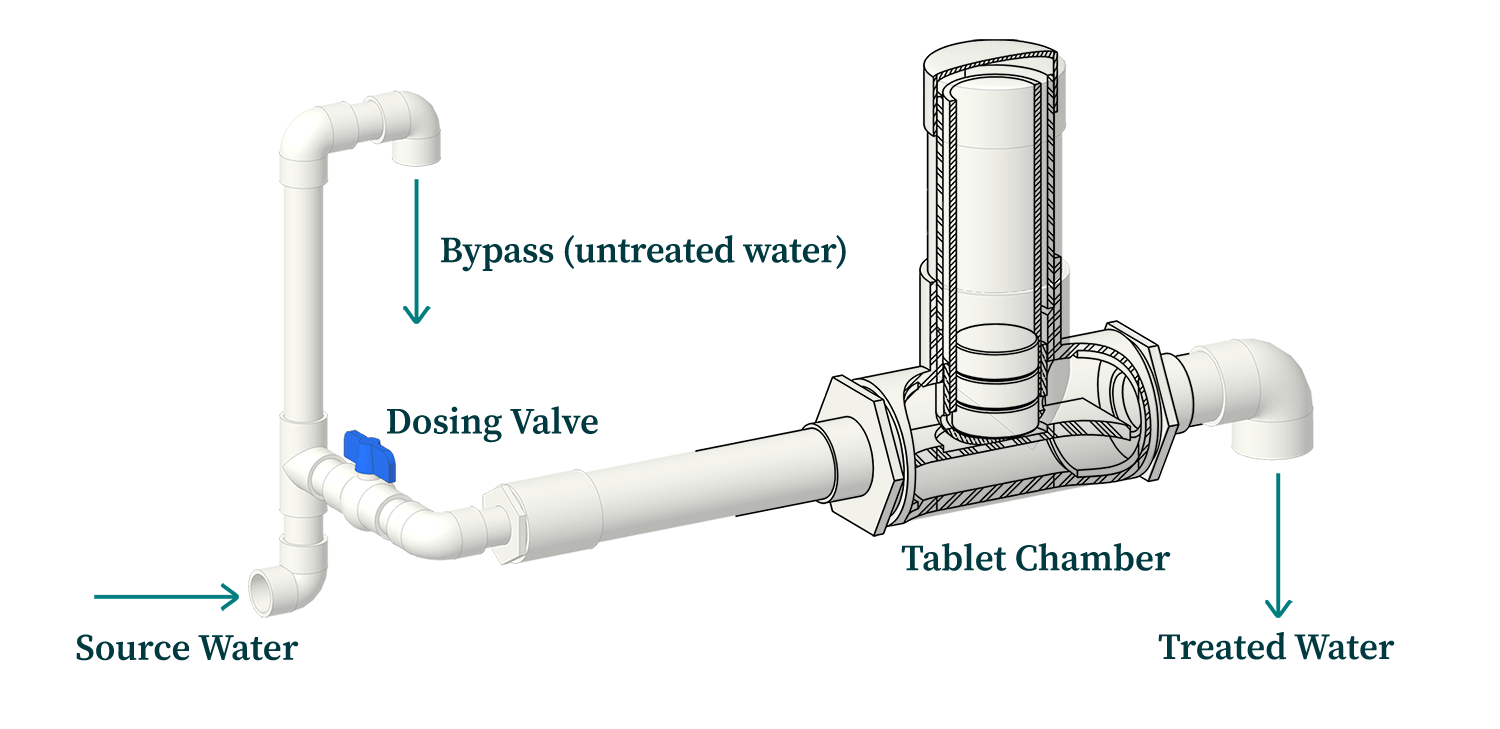
Cova’s Water Treatment System
Our water purification technology is a low-cost, low-maintenance, locally-distributed solution that attaches to any rural community’s water tank and inactivates pathogens in water systems by releasing a controlled dosage of chlorine. One system can provide safe drinking water for an entire community and requires no electricity to use.
9,249 Laboratory tests conducted to date
Ensuring communities’ water is safe. Always.
In addition to regular water quality testing in the field, samples of community’s water is brought to Cova’s laboratories for in-depth water quality assessment, testing for a dozen different parameters.
62 Schools Provided With Safe Drinking Water
Keeping Kids Healthy And In School
Children should be concentrated on school, not what’s in their drinking water. Studies show that 29% of schools globally lack safe water and sanitation. Worldwide, 443 million school days were missed due to preventable water-related diseases.
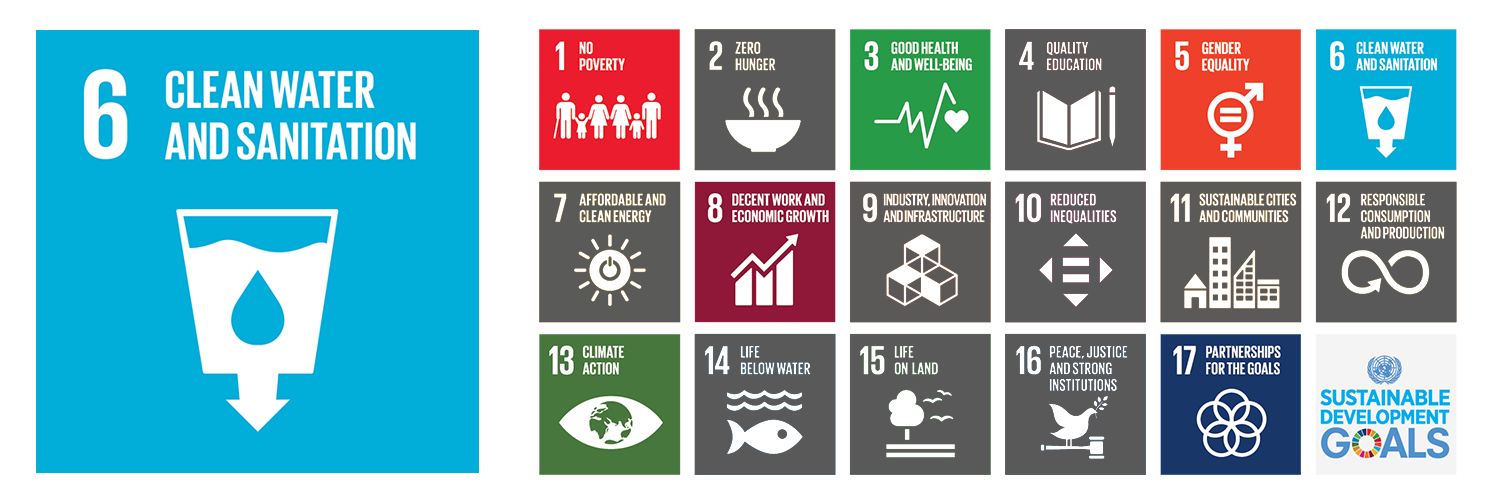
Cova is committed to helping realize the United Nations’ Sustainable Development Goal 6 to “ensure availability and sustainable management of water and sanitation for all.” In addition to SDG 6, Cova’s work also supports gender equality, economic growth, climate action, relieving poverty, and good health.
Water and Climate
Safe drinking water and a healthy planet are closely intertwined.
As the planet warms, access to safe drinking water is at risk, especially for vulnerable communities. Droughts dry up community water sources, storms contaminate water and damage infrastructure, and heat accelerates the growth of bacteria in water.
Results and Studies
Evidence shows that water treatment is one of the most cost-effective ways to save children’s lives.
The impact of Cova’s programs have been studied, measured, and referenced by academic researchers, departments of health, and scientific evaluations.
- Peer-reviewed article: Performance of EOS Circuit Rider Model in Honduras (ACS Environmental Science & Technology, Water, 2023)
- Passive In-Line Chlorination for Drinking Water Disinfection: A Critical Review
(Environmental Science & Technology, 2022) - Health Impact Evaluation – El Tuma, La Dalia
(Nicaragua Ministry of Health Results, 2018) - Effectiveness of CTI Water Chlorinator at Controlling Bacterial Contamination in Rural Nicaragua’s Drinking Water
(Compatible Technology International, 2015) - Circuit Rider post-construction support: improvements in domestic water quality and system sustainability in El Salvador
(Journal of Water, Sanitation and Hygiene for Development, 2014)
