The Weight of Water
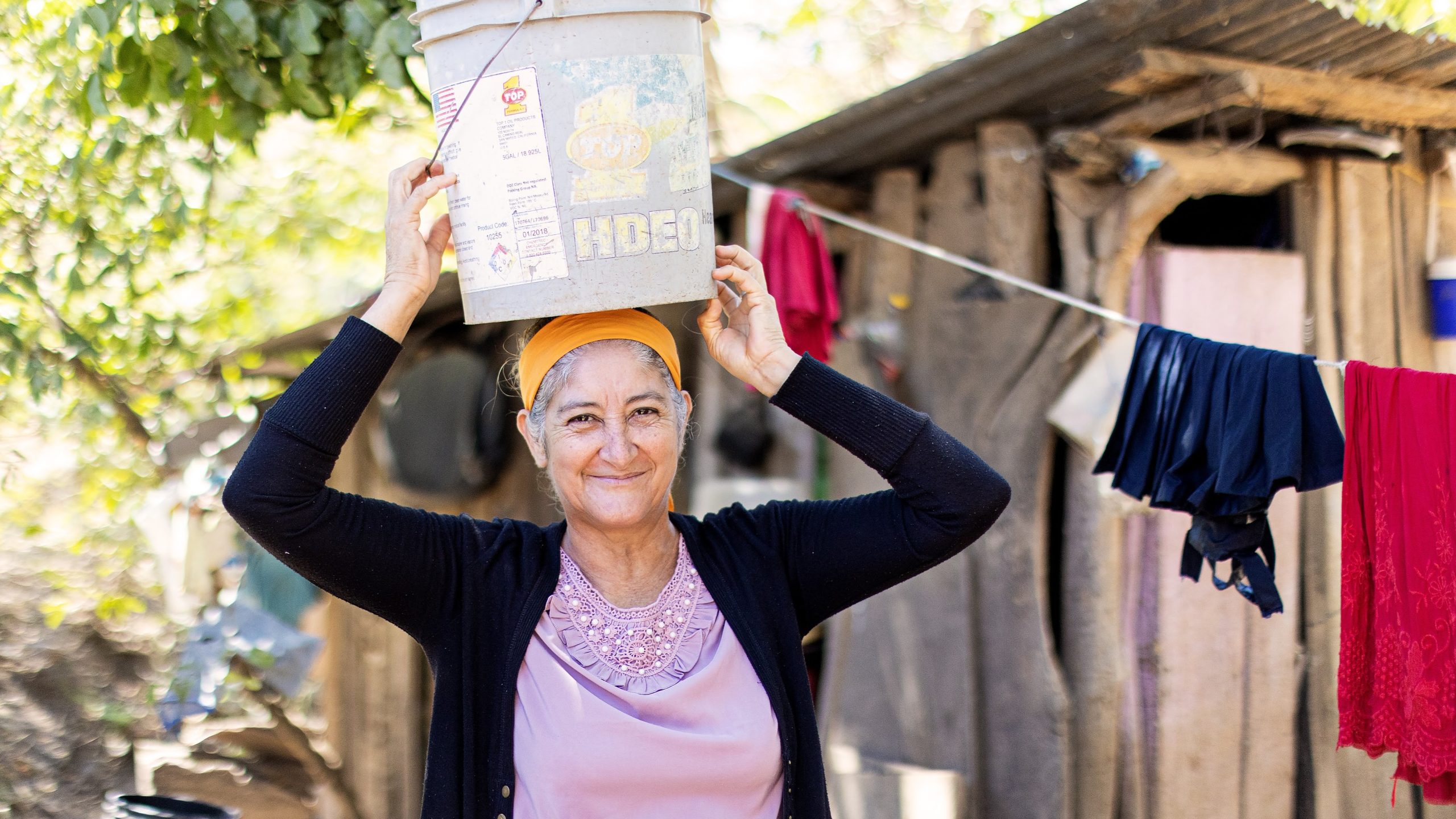
In the rural villages, small towns, and hillsides where we work across Central America, women largely manage water at home.
They pay close attention and notice when the supply runs low. They stretch what is available, ration carefully, and protect children from contamination as best they can. By nature or by necessity, women have long carried the responsibility of water.
The quality of that water determines whether that responsibility feels like daily strain or shared strength.
When water treatment is unreliable, families face preventable illness and households bear the hidden costs of unsafe supply. Women are often closest to these impacts: monitoring children’s health, balancing household budgets, and advocating for accountability in local governance.
What shifts when effective water treatment systems are installed and maintained is the weight of responsibility itself.
It becomes lighter.
Through reliable water treatment, Cova helps ensure the water flowing to homes is safe to drink. Safe water reduces preventable burdens and strengthens the systems communities already sustain.
And in that strengthening process, we see more women — mothers, business owners, caregivers, community leaders — serving on water boards, training in chlorinator maintenance, and influencing decisions about fees, maintenance, and long-term management. With Cova’s support, communities are working toward more gender-balanced participation in local water governance.
With your support of safe water, the conditions under which responsibility is carried begin to shift. The daily vigilance remains, but the strain lessens.
Safe water shifts daily strain into shared strength.